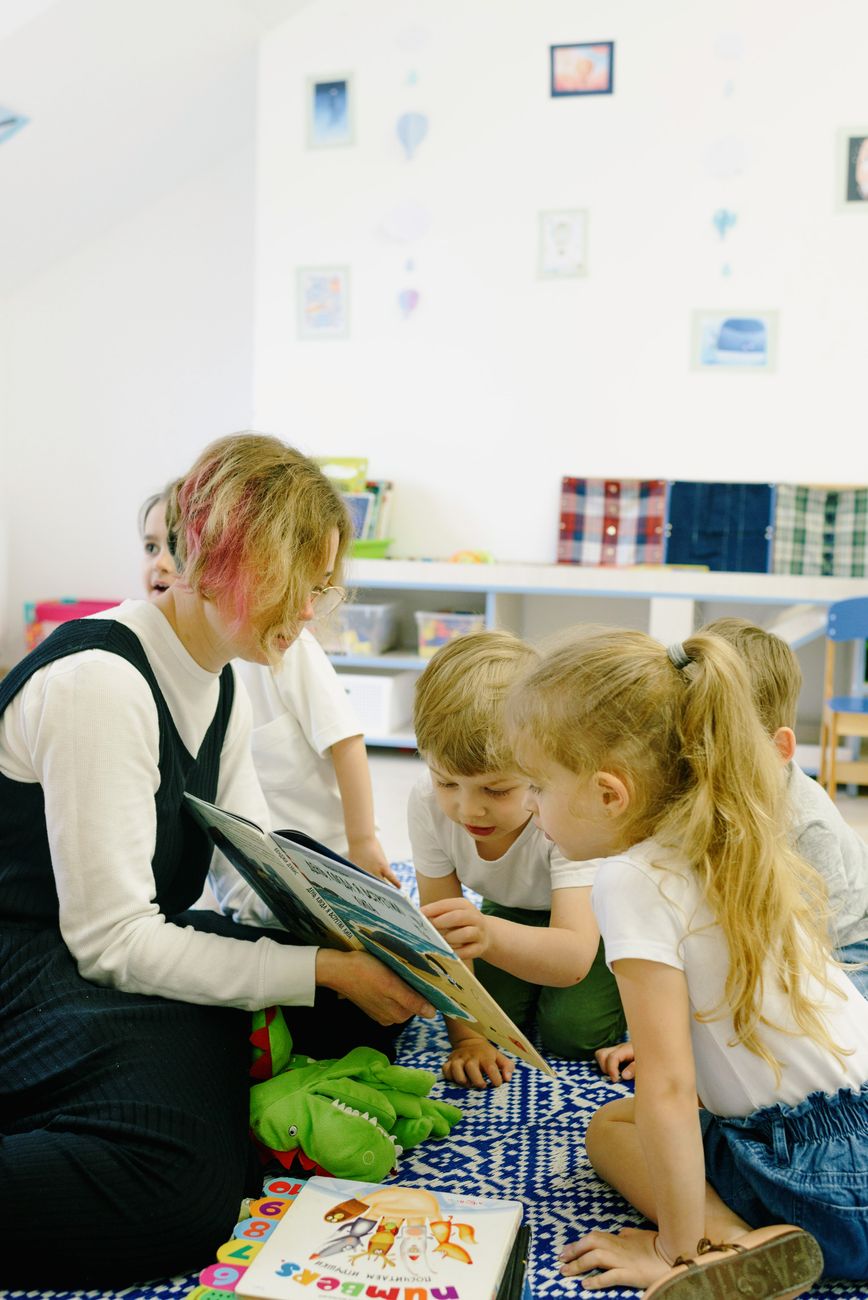
Plate 01 · Early learning atelier, ages 1 to 5
Childhood, documented while it is still being made.
A small Toronto centre where every day ends with something on the wall.
At Marlowe Street Atelier children work with real materials — clay, paint, paper, wire, light — and our educators photograph, transcribe and pin up what they discover. Families see thinking, not just finished crafts, and children see that their ideas are worth keeping.
01 · About the atelier
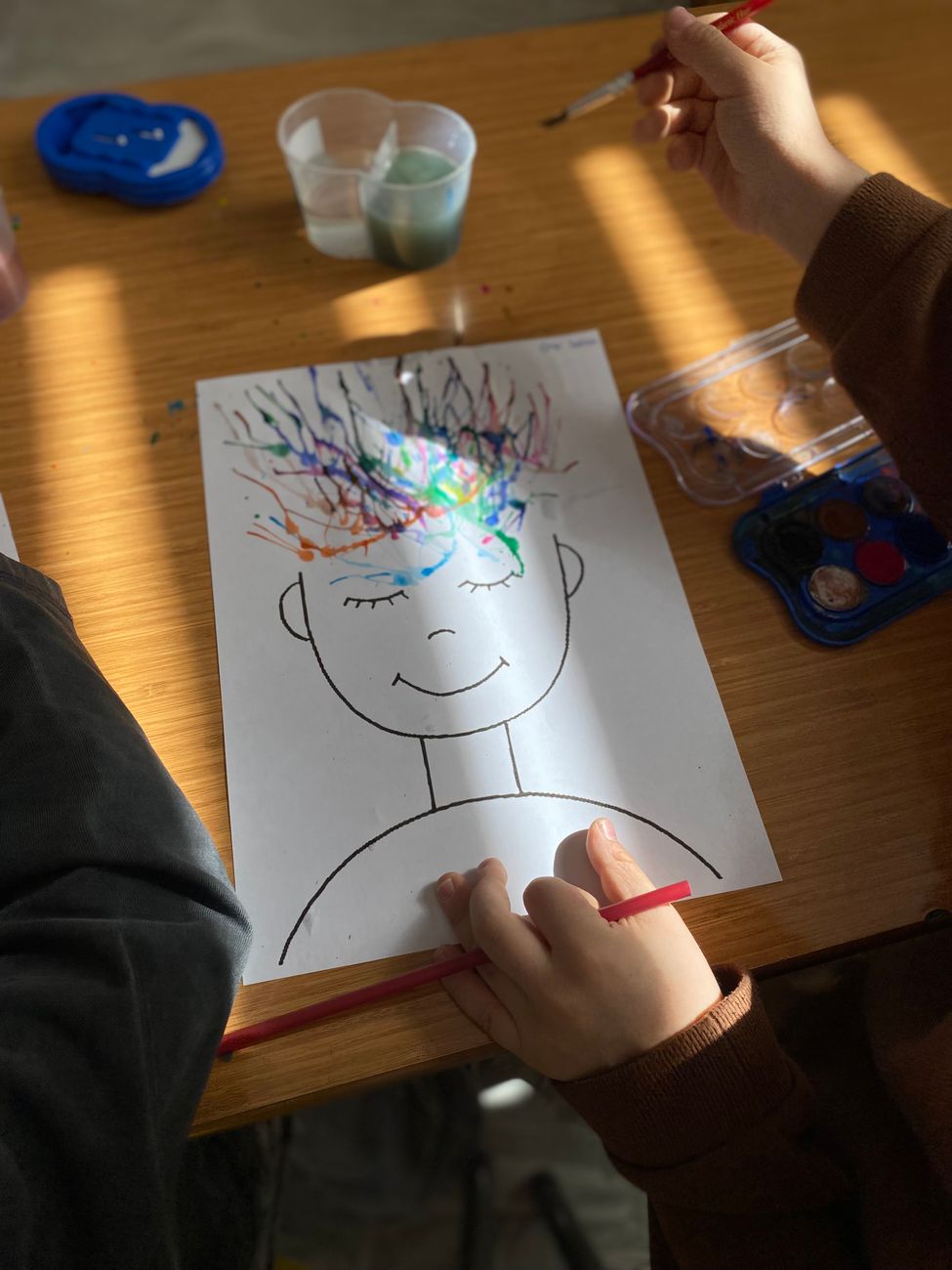
We treat every child's work as a small piece of research.
Marlowe Street began in 2008 as one room above a bakery, with a single idea borrowed from the schools of Reggio Emilia: a child has a hundred ways of thinking, and the classroom should be built to notice all of them.
Today two lead educators and an atelierista, an artist who works alongside the children, run each room. Projects last as long as the children's questions do. A block tower that fell over on Monday can turn into a three-week study of balance, and the notes, sketches and photographs from that study stay on the wall until the next one replaces them.
Every family receives a short written documentation panel each month, so you can read what your child asked, tried and changed their mind about.



Our numbers
-
1:5
Children per educator
In our toddler rooms, so every child is seen, heard and photographed daily.
-
18 yrs
Documenting childhood
Eighteen years of project panels, learning stories and family portfolios.
-
72
Children in our care
Across four rooms, each capped so no group is ever crowded.
-
12
Registered early childhood educators
Every one holds current pediatric first aid and CPR certification.
Four rooms, one long thread of inquiry
-
Sprouts · 12 to 24 months
A low, quiet room of baskets, mirrors and textures. Educators follow each toddler's lead in short, sensory investigations, with a primary caregiver who stays with your child all year.

-
Explorers · 2 to 3 years
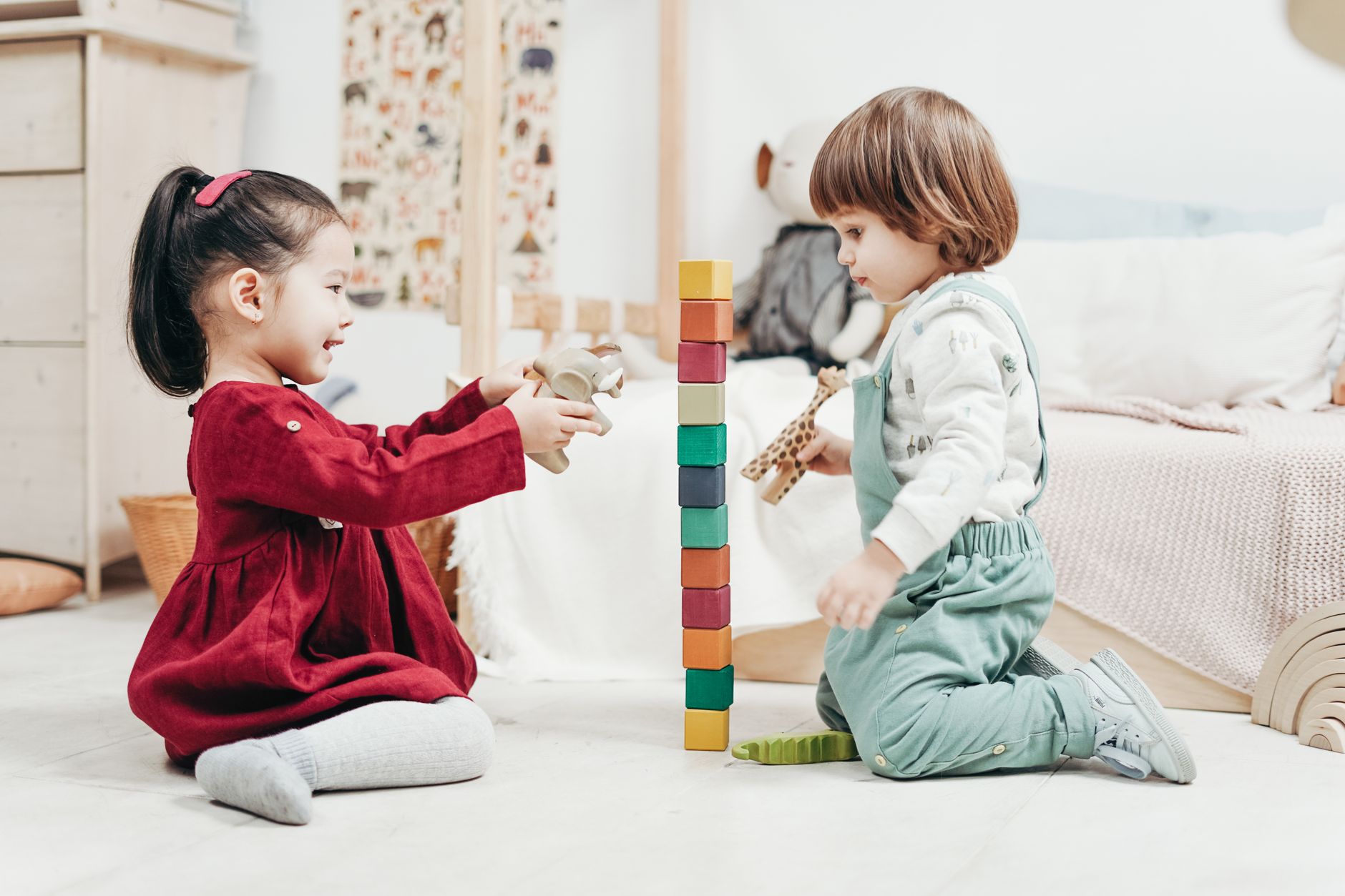
Building, pouring, stacking and sorting. Children test how things work with wooden blocks, water trays and loose parts, and every discovery is written down in their own words.
-
Makers · 3 to 4 years
Long-running group projects: a city built from cardboard, a shadow theatre, a garden bed. Children plan, draw the plan, then build it and revise it together.

-
Studio · 4 to 5 years
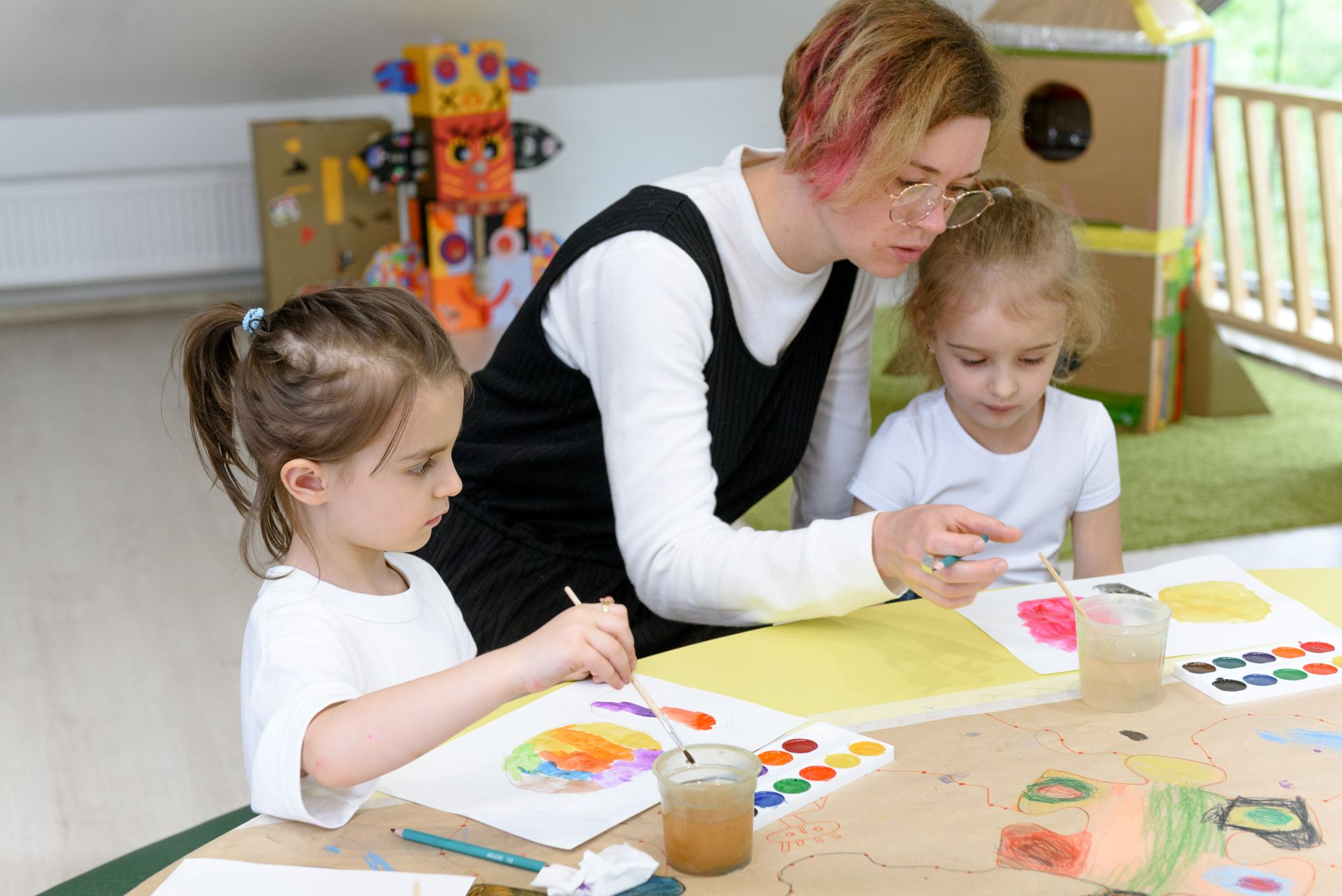
The kindergarten-readiness year, taught through the atelier. Early reading, number sense and friendship skills grow out of the children's own projects, with weekly time in the paint studio.
03 · Beyond the classroom
Everything a working family needs, arranged with care
The details that make a long day feel calm: real food, real outdoors, honest conversations and hours that fit a commute.
-
Cooked-on-site meals
Breakfast, lunch and two snacks made each morning in our kitchen. Allergy-safe menus are posted weekly.
-
Outdoor studio
A fenced garden with a mud kitchen, a sand table and raised beds. We go out every day, rain boots included.
-
Monthly documentation
A written panel and photographs of your child's current project, delivered to your inbox and pinned in the hall.
-
Family conferences
Twice a year we sit down with you for forty-five minutes to review the portfolio and plan the next stretch together.
-
Extended hours
Open from 7:30 a.m. to 6:00 p.m., Monday to Friday, with no surcharge for early drop-off.
-
Health and safety
Secure entry, a posted pick-up list, a daily health check and staff trained in pediatric first aid.
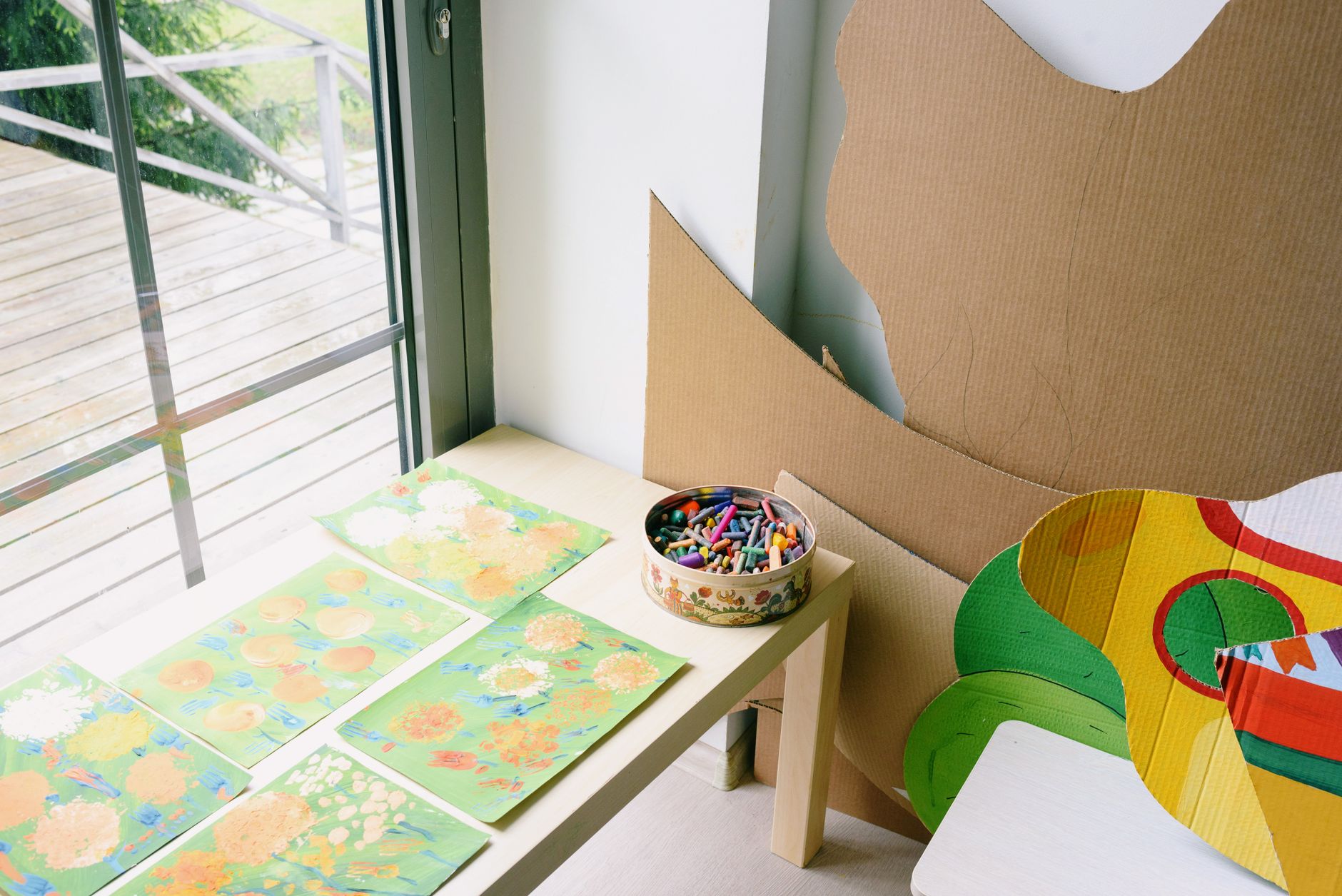
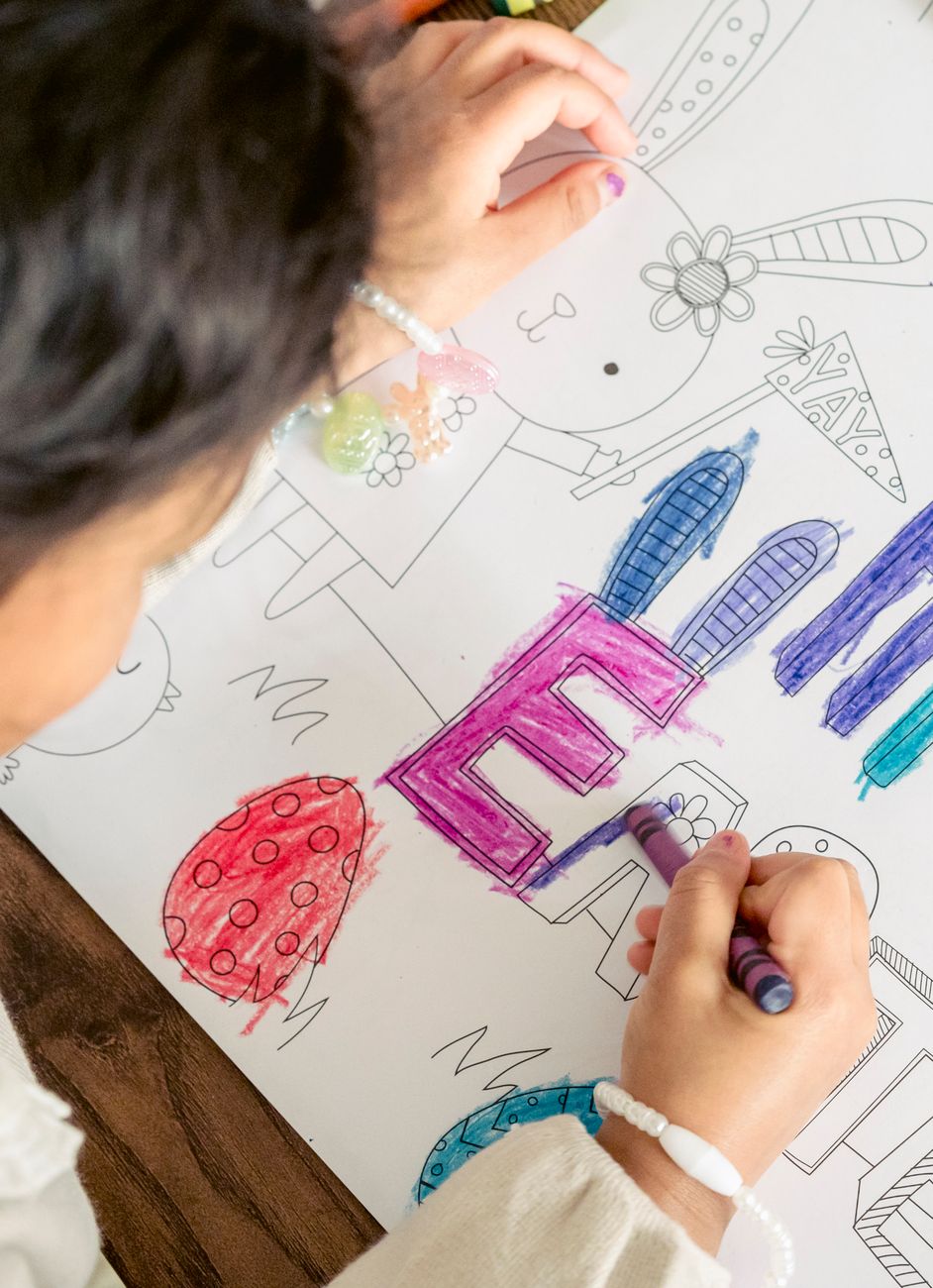
Plates from the wall
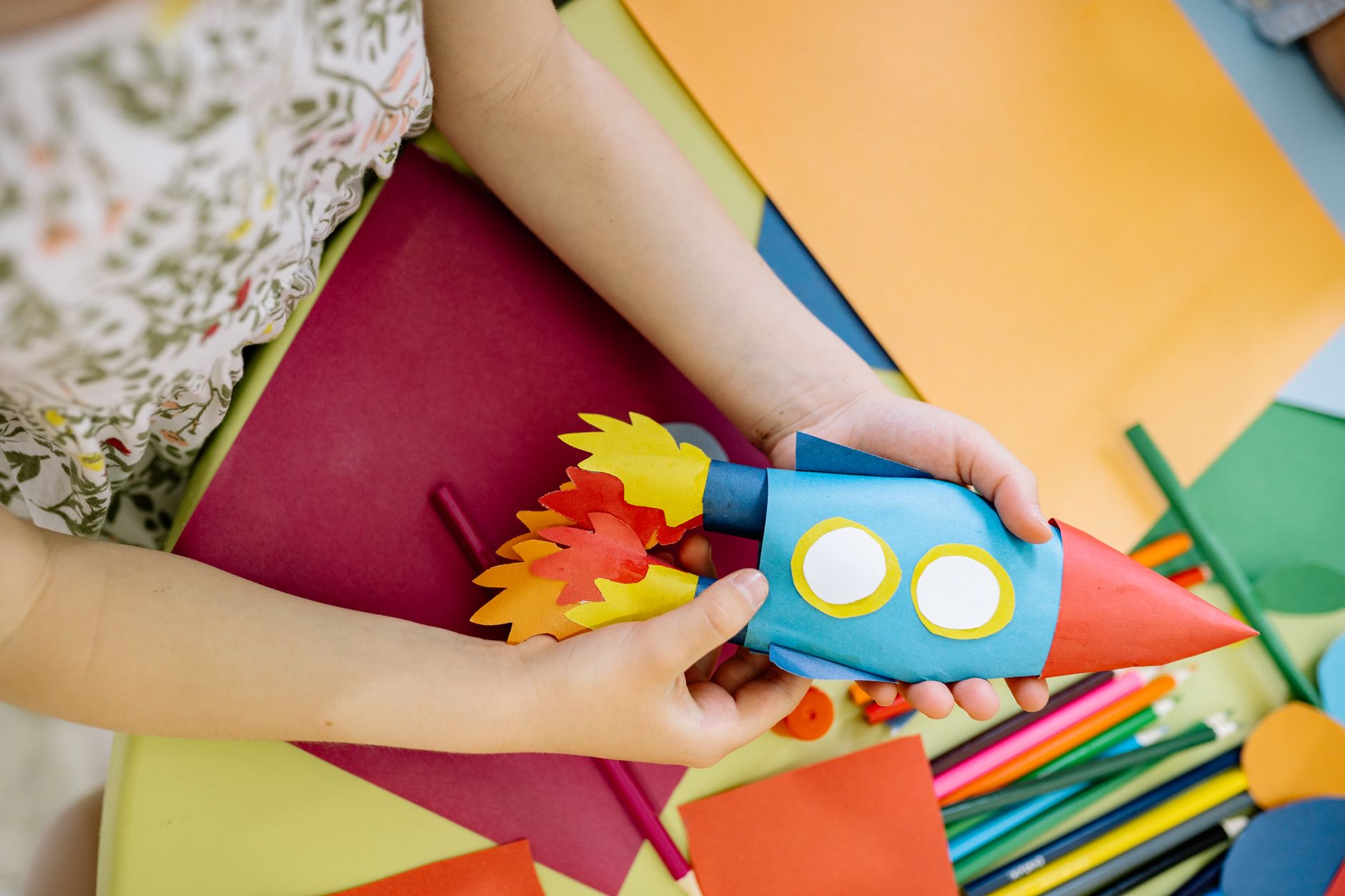
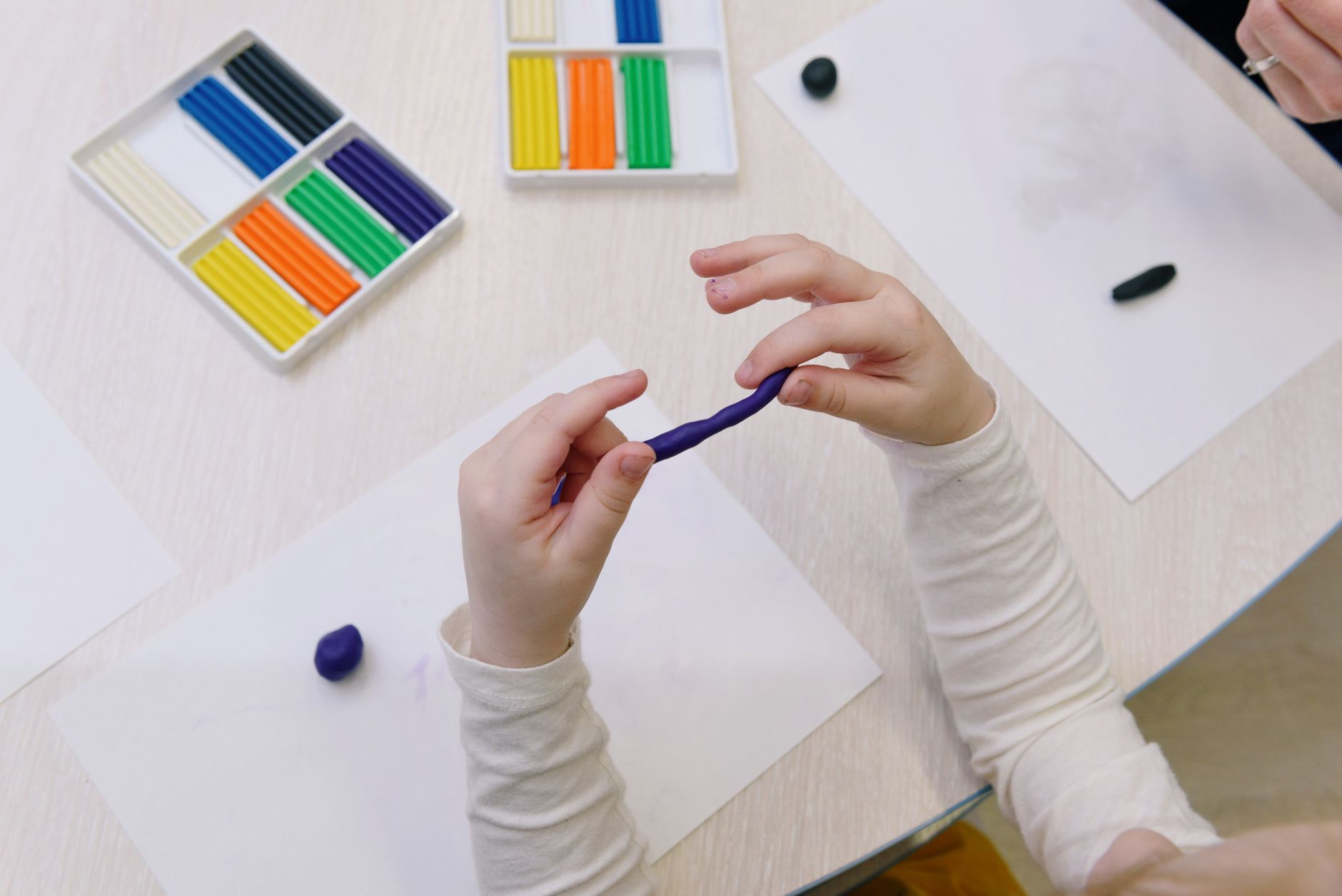
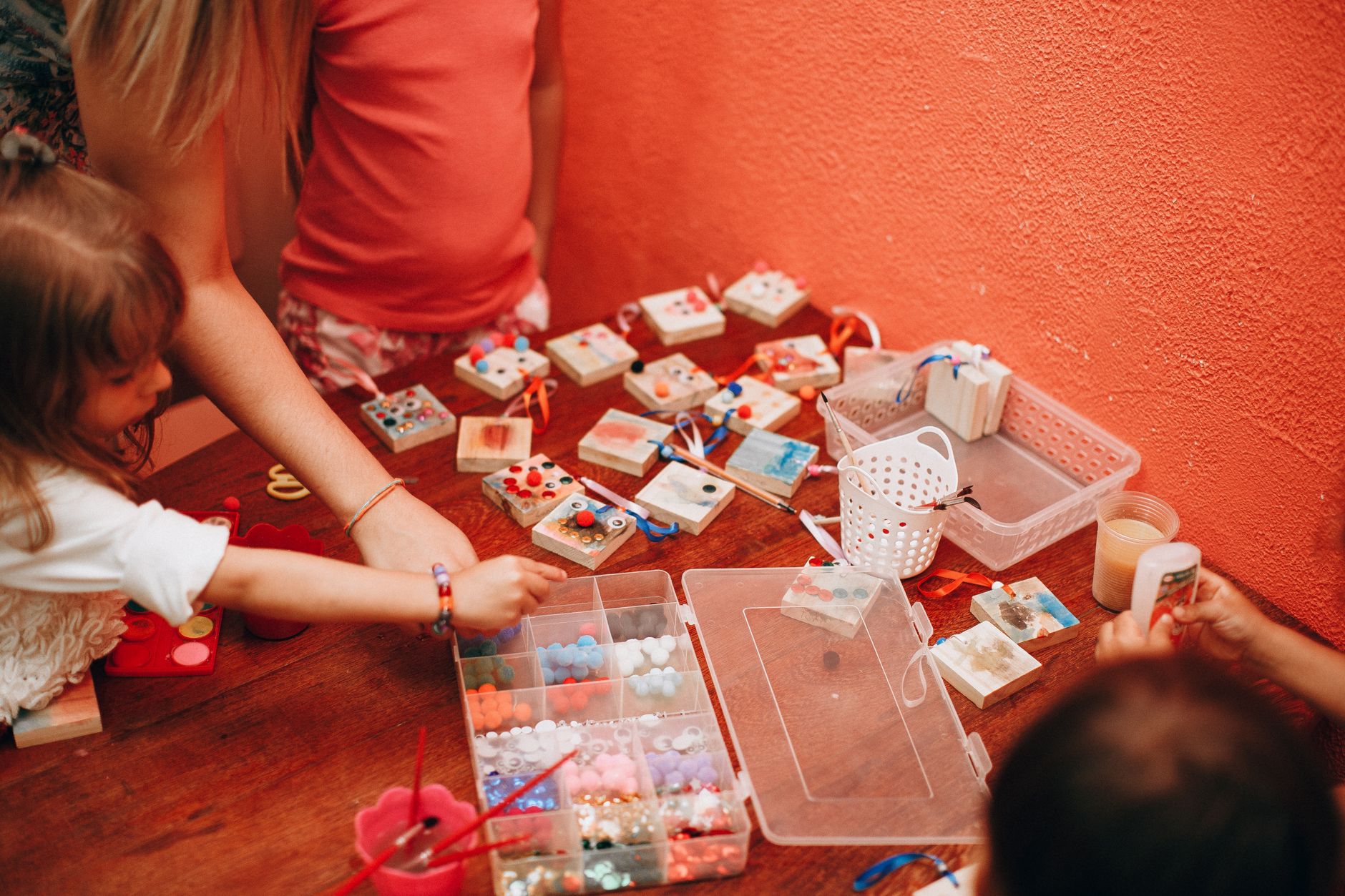
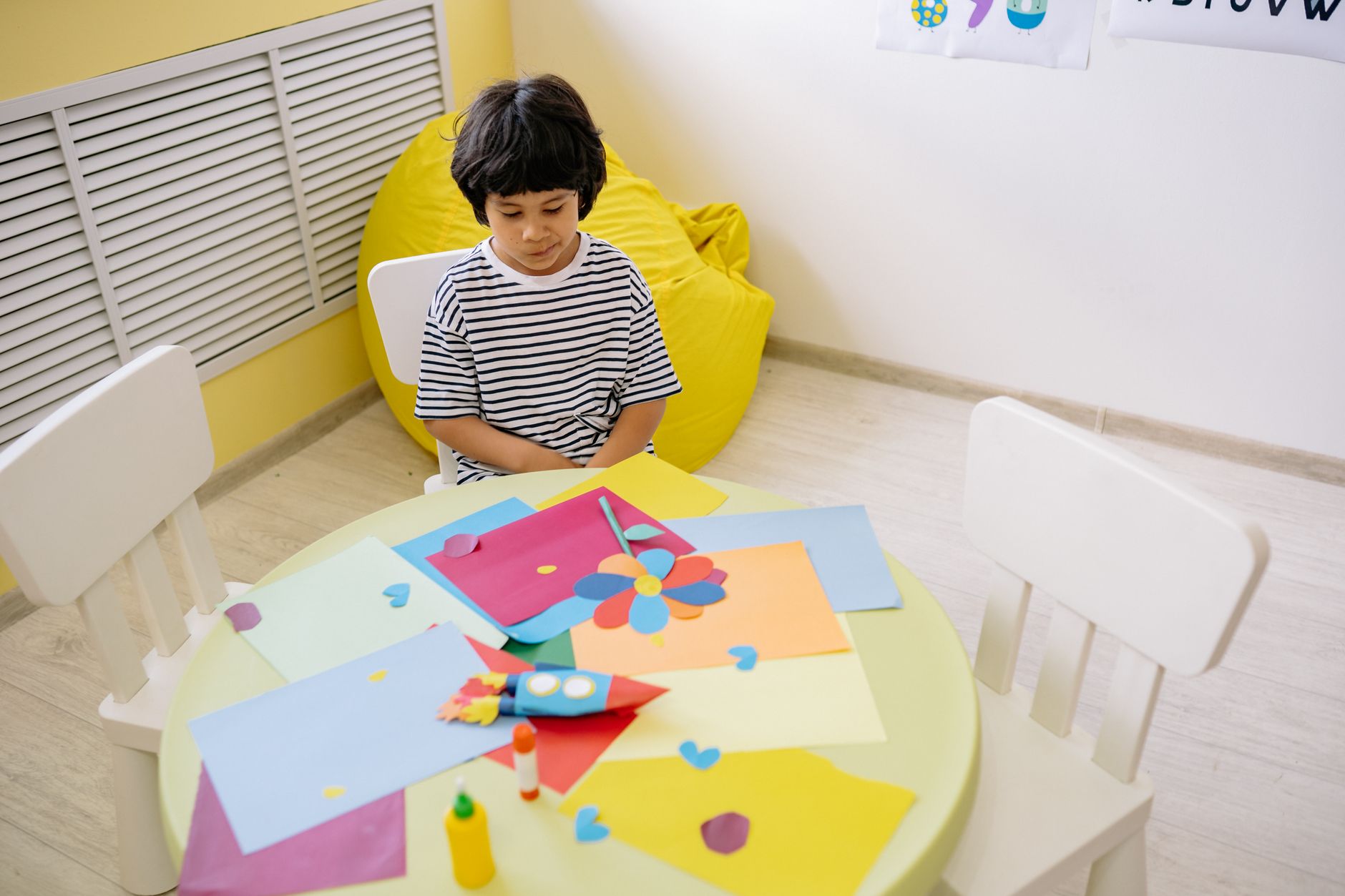
A selection of what our educators pinned up this term. Every photograph is captioned with what the child was trying to find out.




05 · Notes from families
What parents write on the back of the documentation
-
At pick-up my son doesn't tell me he had a good day, he tells me which question he is still working on. Last month it was why shadows get longer. There was a panel on the wall about it with his own words under the photograph.
-
We moved our daughter here at eighteen months, anxious about leaving her. Her caregiver sent a photograph on day two of her holding a whisk and grinning. I stopped worrying that week.
-
The kindergarten teacher told us our son already knew how to explain a problem, disagree politely and start again. That is the studio year. It is not worksheets, it is thinking out loud.
-
They treat the paintings as evidence, not decoration. When our daughter's clay bird came home there was a note about how she had solved the wing problem. We have kept every one of those notes.
Book a tour of the atelier
Visit on a weekday morning, watch a room at work and ask our educators anything. Tours take about forty minutes and we will show you the documentation wall. Tell us a little about your family and we will reply within one working day.